Top Food Sealing Machine Suppliers in China?
Choosing among the Top Food Sealing Machine Suppliers in China requires more than comparing catalog prices. A reliable supplier should understand product viscosity, film structure, filling temperature, and the pressure needed for a clean seal. These details affect leakage, shelf life, production speed, and customer complaints.
Dr. Gordon L. Robertson, a respected food-packaging researcher, has emphasized: “Packaging must protect food quality from production to consumption.” This principle applies directly to every Food Sealing Machine purchase. A machine may look impressive in a showroom, yet perform poorly with oily sauces, powdery products, or uneven containers. Testing matters.
Real production experience often reveals the difference. Watch how the supplier handles film changes, temperature adjustments, and rejected packages. Ask for seal-strength results, sample videos, maintenance records, and clear warranty terms. Check whether technicians can respond quickly when a heating element fails during a busy shift.
Not every low-cost option is a smart investment.
This guide examines Chinese suppliers through practical criteria, including machine stability, material quality, customization ability, control systems, spare-parts support, and export experience. It also considers less visible risks, such as inconsistent sealing pressure or unclear after-sales responsibilities. Some suppliers may offer excellent machinery but limited technical support. Others may communicate well but lack strong testing facilities.
That is where careful judgment becomes necessary. A supplier’s website is only one piece of evidence. Factory audits, product trials, customer references, and documented specifications provide a more dependable picture.
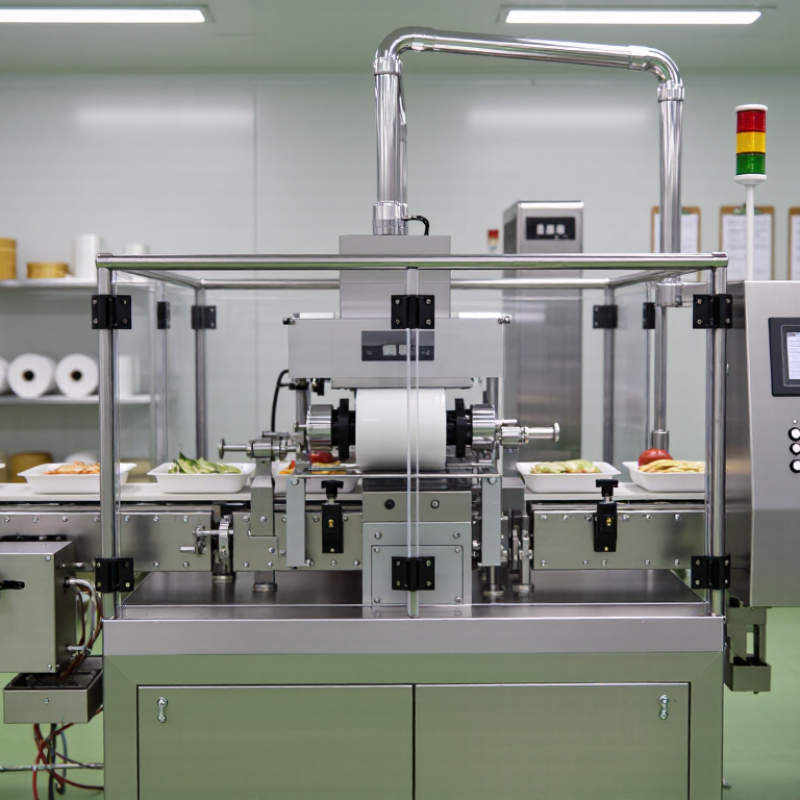
Define Food Sealing Machine Types and Key Specifications: 20–120 Packs/Min
Top Food Sealing Machine Suppliers in China?
Food sealing machines protect freshness, reduce leakage, and support cleaner production lines. Common types include impulse sealers, continuous band sealers, vacuum sealers, and tray sealers. Impulse models suit small batches and flexible pouches. Continuous band machines handle steady production with less manual interruption. Vacuum models remove air before sealing, while tray sealers close prepared containers with film.
Capacity usually ranges from 20 to 120 packs per minute. Actual output depends on pouch size, operator loading, sealing temperature, and product shape. Check the seal width, sealing temperature range, dwell time, conveyor height, and compatible film materials. A machine rated at 120 packs per minute may produce far less with heavy, uneven, or wet products. Real production is rarely perfect. This is where testing matters.
Tips: Request a sample sealing trial using your actual packaging. Inspect seal strength, wrinkles, air leaks, and product residue. Ask for recorded speed under comparable conditions, not only a catalog figure. Stainless steel construction helps in humid food areas, but cleaning access matters more than appearance. Also confirm temperature control accuracy, spare-part availability, operator training, and service response. A simple design may be easier to maintain than a highly automated system. Sometimes, less is more.
Food Sealing Machine Types and Typical Speeds
Compare indicative throughput ranges for common automatic food packaging machines. Actual output depends on product size, film or pouch format, sealing cycle, and line configuration.
Key specifications to compare: packaging format, sealing method, pack dimensions, materials, changeover requirements, and rated output in packs per minute.
Screen Chinese Suppliers by HACCP, ISO 22000, CE, and GB 4806 Compliance
When comparing Chinese food sealing machine suppliers, compliance should be checked before price. The ISO Survey 2023 reported more than 45,000 ISO 22000 certificates worldwide. This shows the standard’s reach, but not every certificate proves strong factory control. Request the certificate number, scope, issuing body, and current validity. Confirm that food packaging equipment is covered.
Look closely.
HACCP records should identify sealing risks, temperature control, cleaning points, and corrective actions. Ask for recent production records, not only a polished manual. ISO 22000 should connect these controls with traceability and supplier management. A factory audit can reveal more than a certificate.
CE marking matters when the machine enters the European Economic Area. Request the EU Declaration of Conformity, risk assessment, electrical test records, and operating instructions. GB 4806 concerns food-contact materials in China, so check the sealing bar, gaskets, conveyors, and other contact parts. Ask for migration test reports under the relevant GB 4806 requirements. The Codex General Principles of Food Hygiene, revised in 2020, also stresses documented hazard control and verification.
Test the machine with your actual film, product weight, and sealing temperature. Record leakage rates and seal strength. A supplier may pass a factory demonstration yet struggle with sticky products. That gap is easy to miss. I would also verify calibration dates and spare-part traceability. Documentation can be incomplete, even in an experienced factory. Treat that as a warning, not a small clerical issue.
Evaluate Total Cost: Machine Price, 2–5 kW Power, Parts, and Service
When comparing food sealing machine suppliers in China, do not judge by purchase price alone. A low quote can hide weak heaters, thin belts, or missing sensors. Ask for a complete invoice covering the machine, controls, tooling, and delivery. For many small and medium lines, a 2–5 kW rating is practical. Yet power draw depends on sealing width, film type, temperature, and daily running hours. Request a measured energy test, not only a catalog estimate. During a factory trial, watch the seal after repeated cycles. It should stay even, clean, and firm. Small details matter.
Parts create the second bill. Confirm prices and lead times for heaters, blades, belts, sensors, and controllers. A spare-parts kit may cost more today but prevent a long production stoppage. Service terms deserve the same scrutiny as hardware. Clarify remote support hours, technician response times, installation training, and warranty exclusions. A reliable supplier should provide wiring diagrams, maintenance schedules, and clear troubleshooting guidance. In field evaluations, simple access panels often reduce cleaning time and operator errors. However, supplier claims still need verification through references, trial videos, or an on-site acceptance test. I would also budget for uncertainty. Film changes, voltage differences, and operator training can raise the real cost. The cheapest machine may be harder to keep running.
Verify Supplier Capacity Through Factory Audits, FAT, MOQ, and Lead Time
When comparing food sealing machine suppliers in China, verify production capacity at the factory, not only in a sales presentation. Ask to see the assembly area, electrical testing bench, spare-parts storage, and current production schedule. A tidy showroom proves little. Check whether staff can explain how the machine handles film width, seal temperature, and product changeovers. Take notes. Small details reveal operating discipline.
A factory audit should include people, equipment, and records. Review recent output logs, quality checks, maintenance records, and calibration records for temperature controls. Ask how many machines can be built at once and which components come from outside vendors. Then agree on a Factory Acceptance Test (FAT) using your packaging material and sample product. Define seal strength, cycle rate, reject handling, and acceptance limits in writing. Do not rely on a brief demonstration.
Set the minimum order quantity (MOQ) against the machine configuration, custom tooling, and packaging components. Request a written lead-time breakdown covering drawing approval, fabrication, assembly, FAT, and shipment preparation. Confirm likely delays and how design changes affect delivery. A low MOQ may be workable, but it can raise unit costs or extend sourcing time. Capacity figures are estimates. Recheck them before payment milestones; audits can miss problems, and that deserves honest consideration.